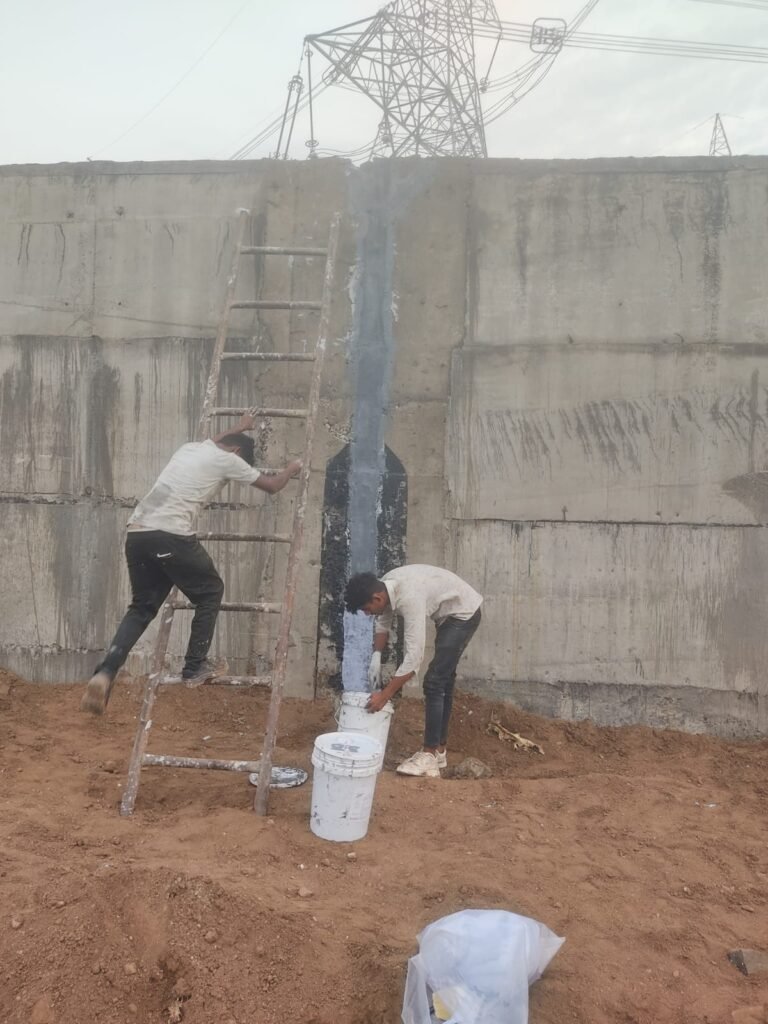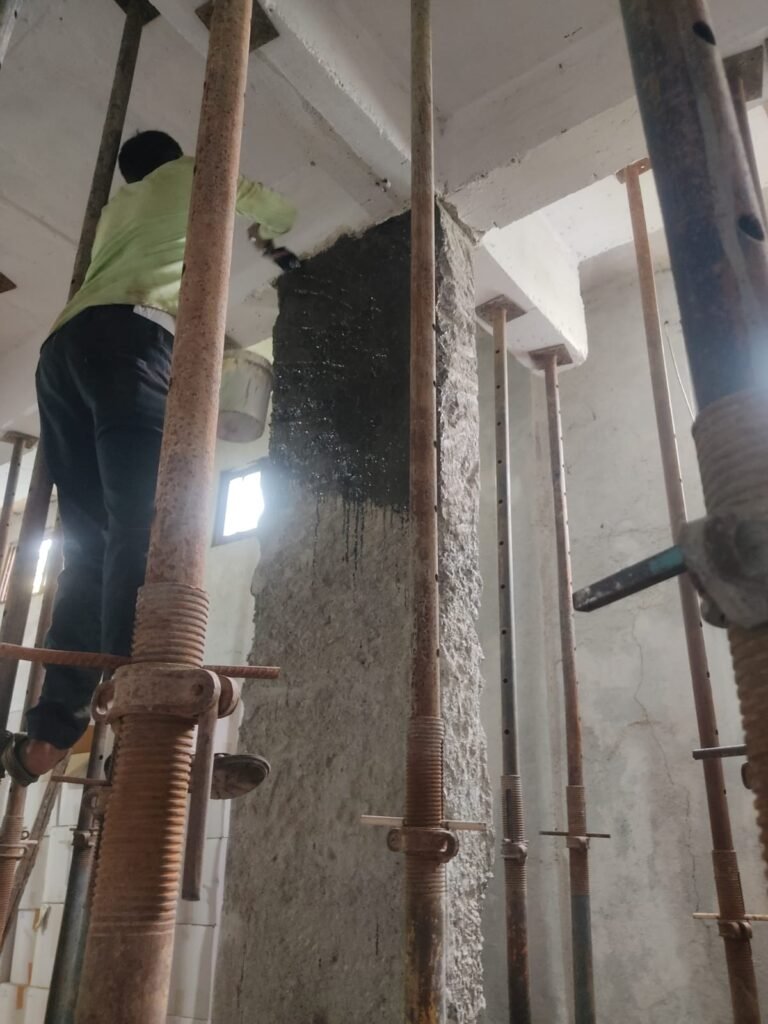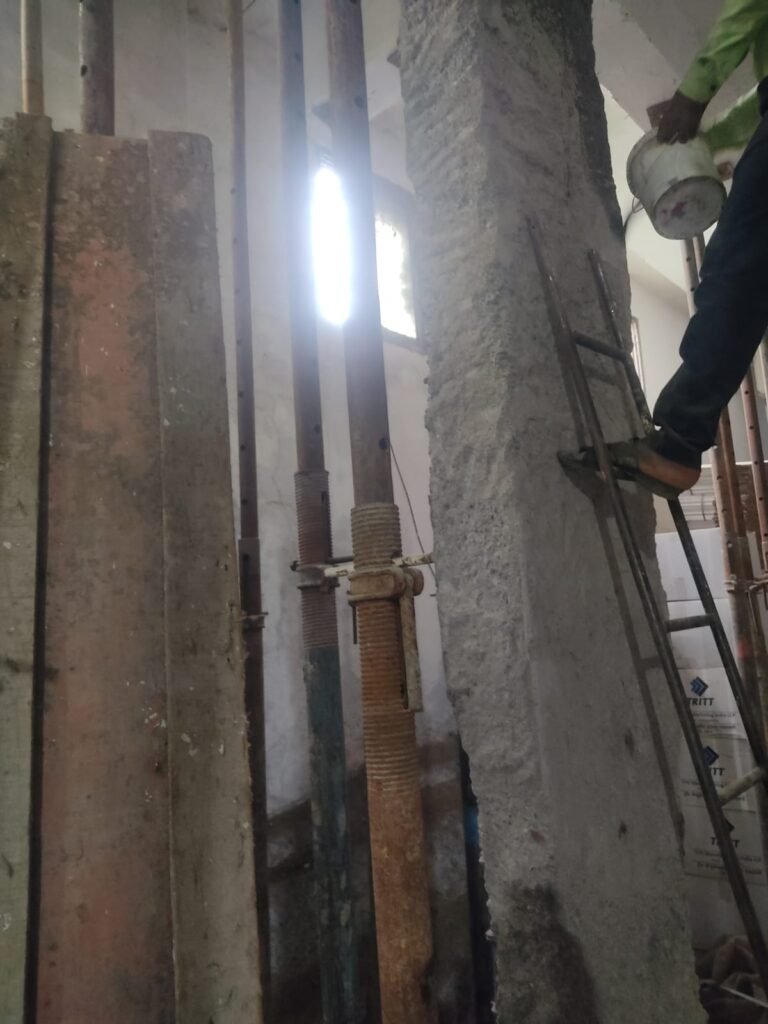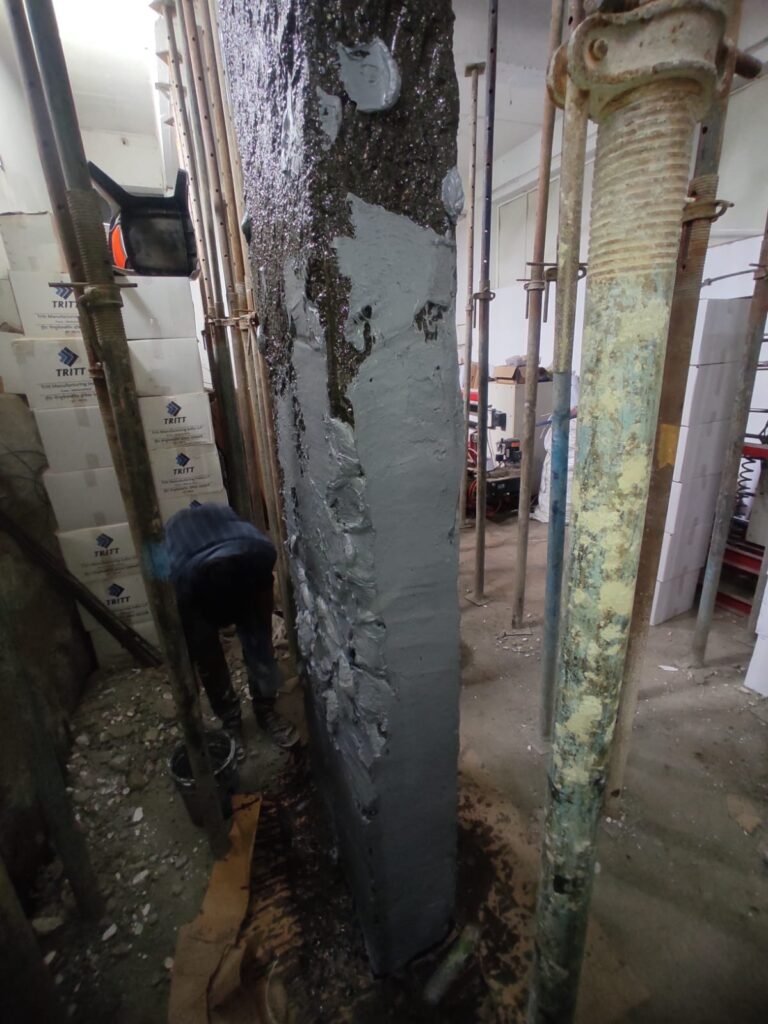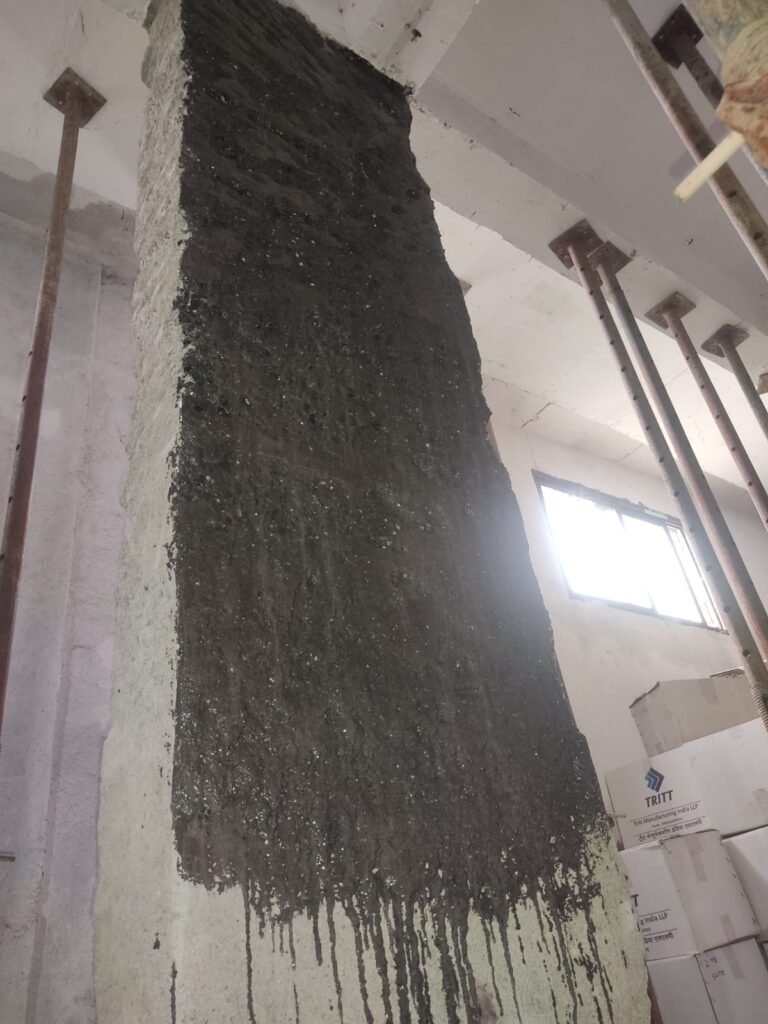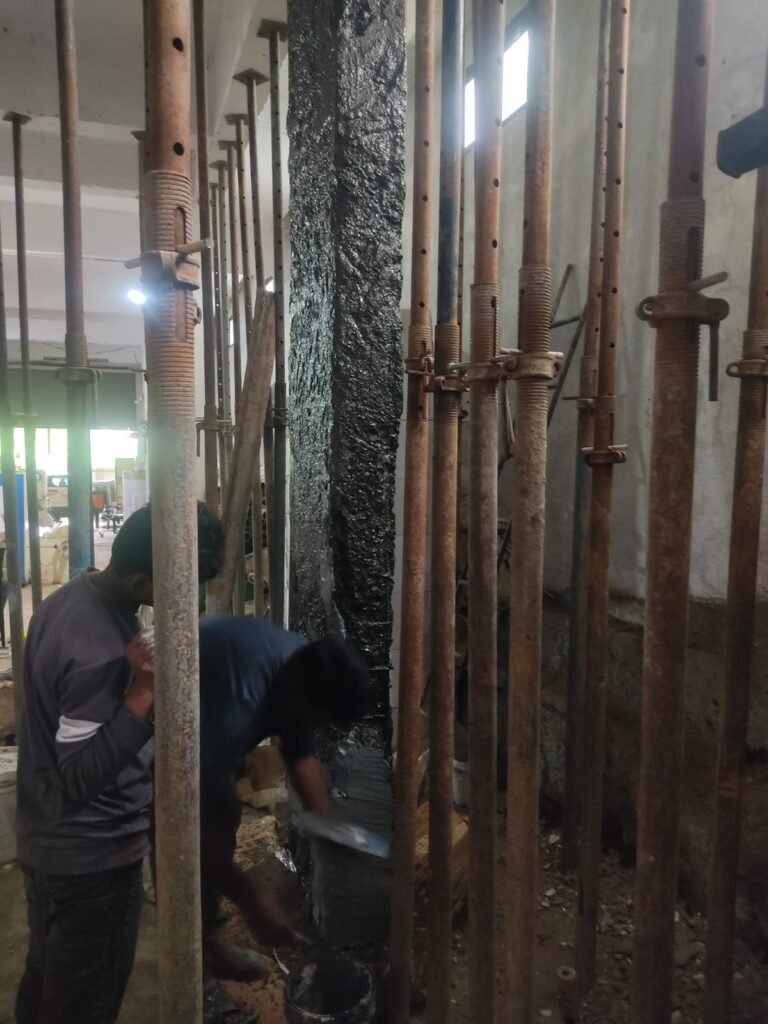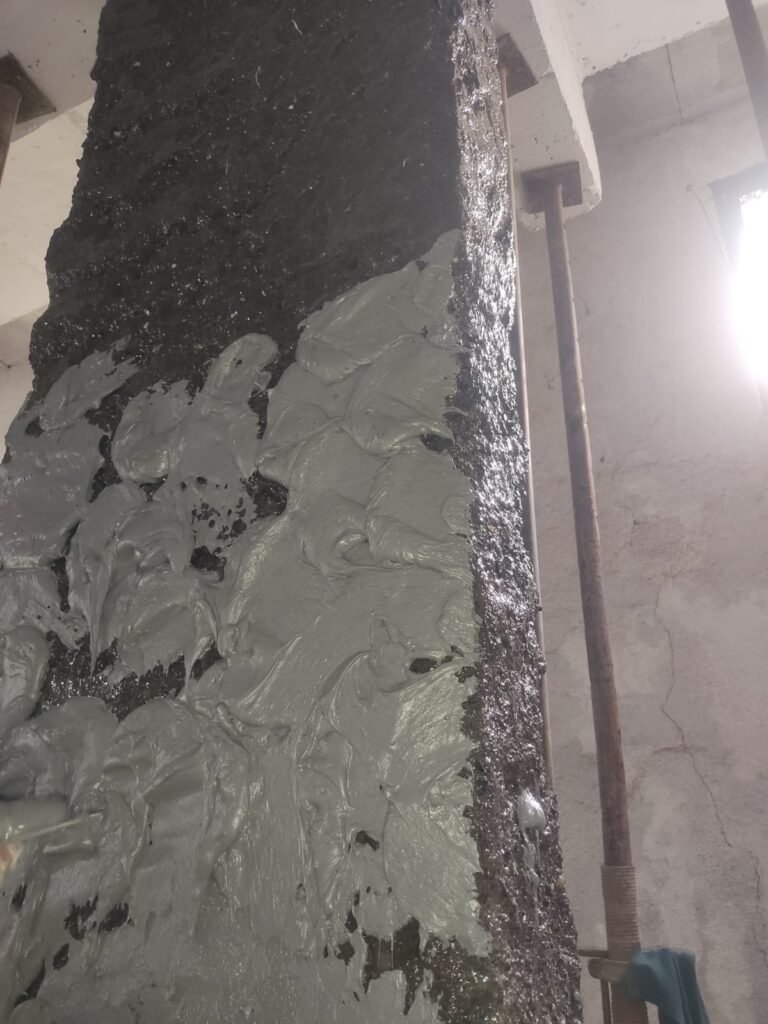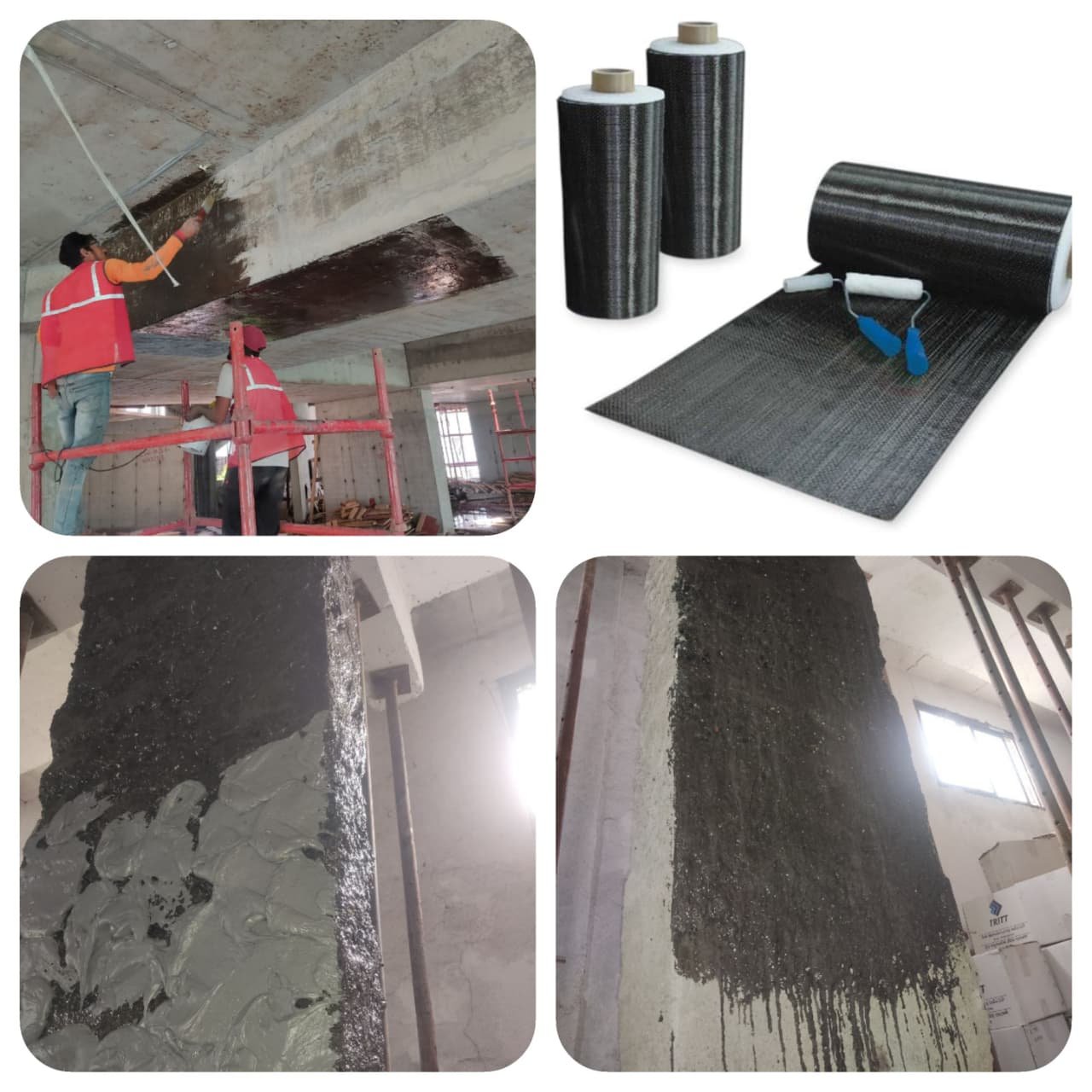
Compared to traditional reinforcement methods, carbon fiber wrapping technology offers superior strengthening with minimal interference to existing structural members. The effective use of carbon fiber reinforced concrete or polymers significantly enhances the lifespan of structures and reduces future maintenance needs.
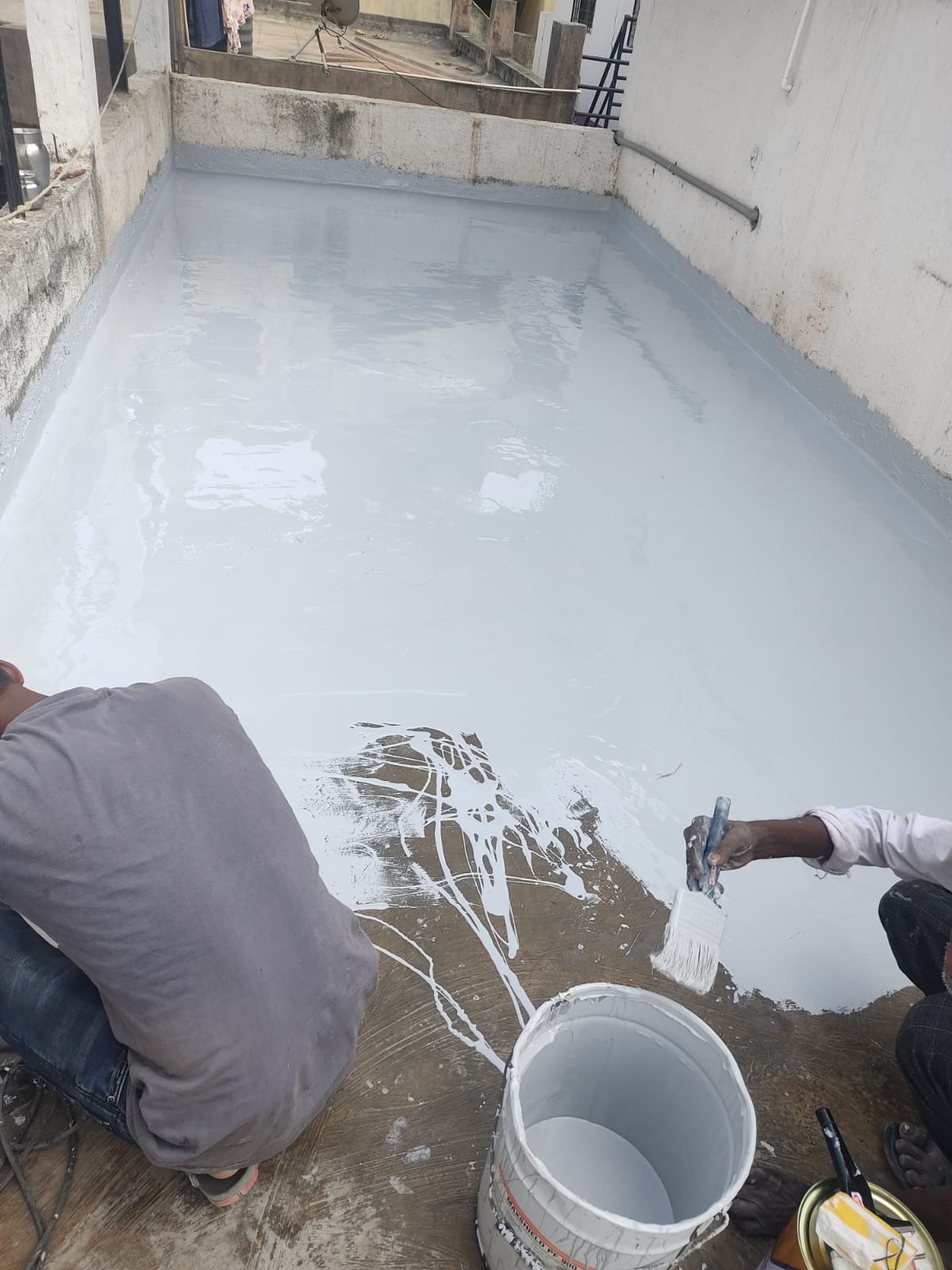
Waterproofing is the process of making a surface resistant to moisture, protecting structures from dampness and long-term water damage. One of the most effective methods, Polyurethane (PU) waterproofing, is widely used for roofs, walls, water tanks, tunnels, bridges, and concrete surfaces. This advanced waterproofing technique creates a seamless barrier that prevents water penetration and enhances the durability of the structure.
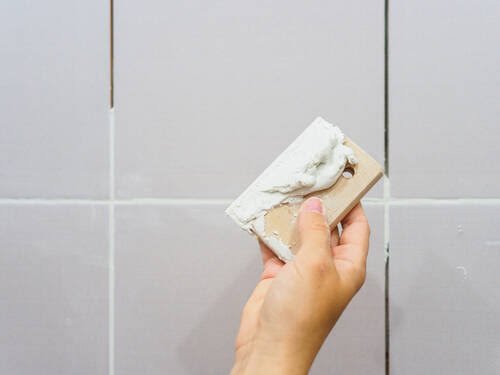
Epoxy Grout for Tile Joints | Ideal for Bathrooms, Kitchens & More Epoxy grout has become one of the most popular choices for tile joints thanks to its exceptional durability, resistance to mold and mildew, and ability to handle high-moisture areas. It’s widely used in bathrooms, kitchens, and commercial spaces where traditional grout often fails.
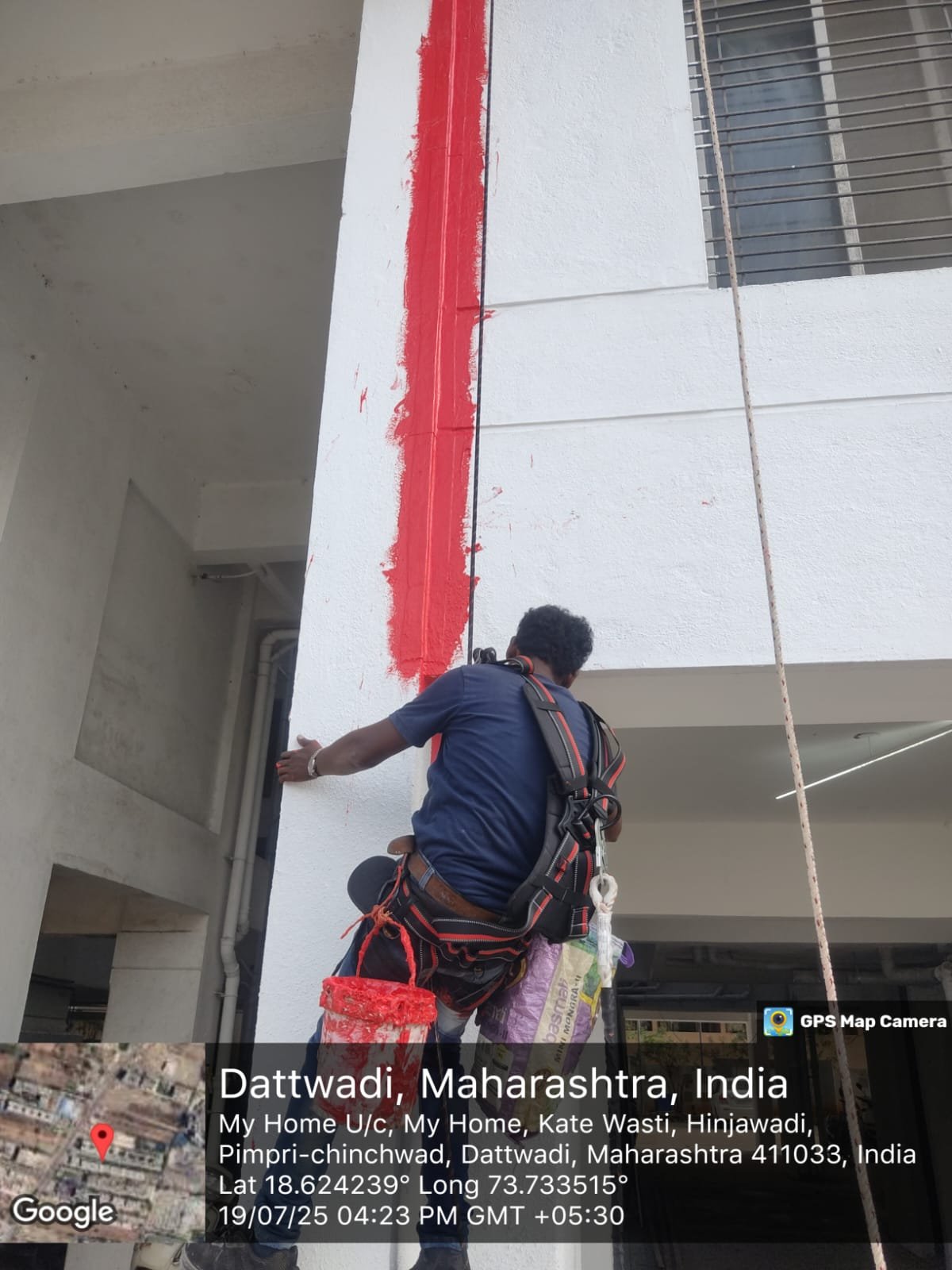
Clean the expansion joint gaps: Use a wire brush or vacuum to remove any cell debris, dirt or dust from the bed. Sealant slag: Choose a high-quality sealant that is suitable for joint and construction materials. Silicone sealant vapors are generally used for expansion joints because they can withstand a wide range of temperatures and remain flexible. Apply jointwar sealant using a caulking gun, ensuring the entire gap is filled. Caulk Tools: Use tools such as a putty knife or special caulking tool to smooth and shape the caulk to create a neat, uniform look. Allow the sealant to dry: Follow the manufacturer's instructions for curing time, which can vary depending on the type of sealant and environmental temperature and humidity. Get the joint checked: After the sealant has dried, get the joint checked for any gaps or parts that may have caused the sealant to shrink or pull away from the edge. If necessary, apply a second layer of sealant to fill any gaps or create a smooth surface.

Marking and Promotion of Parking Facilities Proper marketing of parking spaces within a building is essential to ensure optimum utilization and customer convenience. At Bantek, we help you design and implement smart marketing strategies for parking facilities that improve accessibility and enhance user experience. Key Steps for Effective Parking Marketing: Creating Awareness: Informing residents and visitors about available parking facilities and their benefits. Communicating Benefits: Highlighting how parking saves time, adds comfort, and enhances safety. Encouraging Usage: Promoting parking through loyalty programs, community messages, and signage. Social Media Outreach: Spreading awareness through online campaigns and digital content. Educational Initiatives: Organizing workshops, seminars, and interactive sessions to educate people about proper parking practices. Importance of Well-Planned Parking Facilities: Saves valuable tim
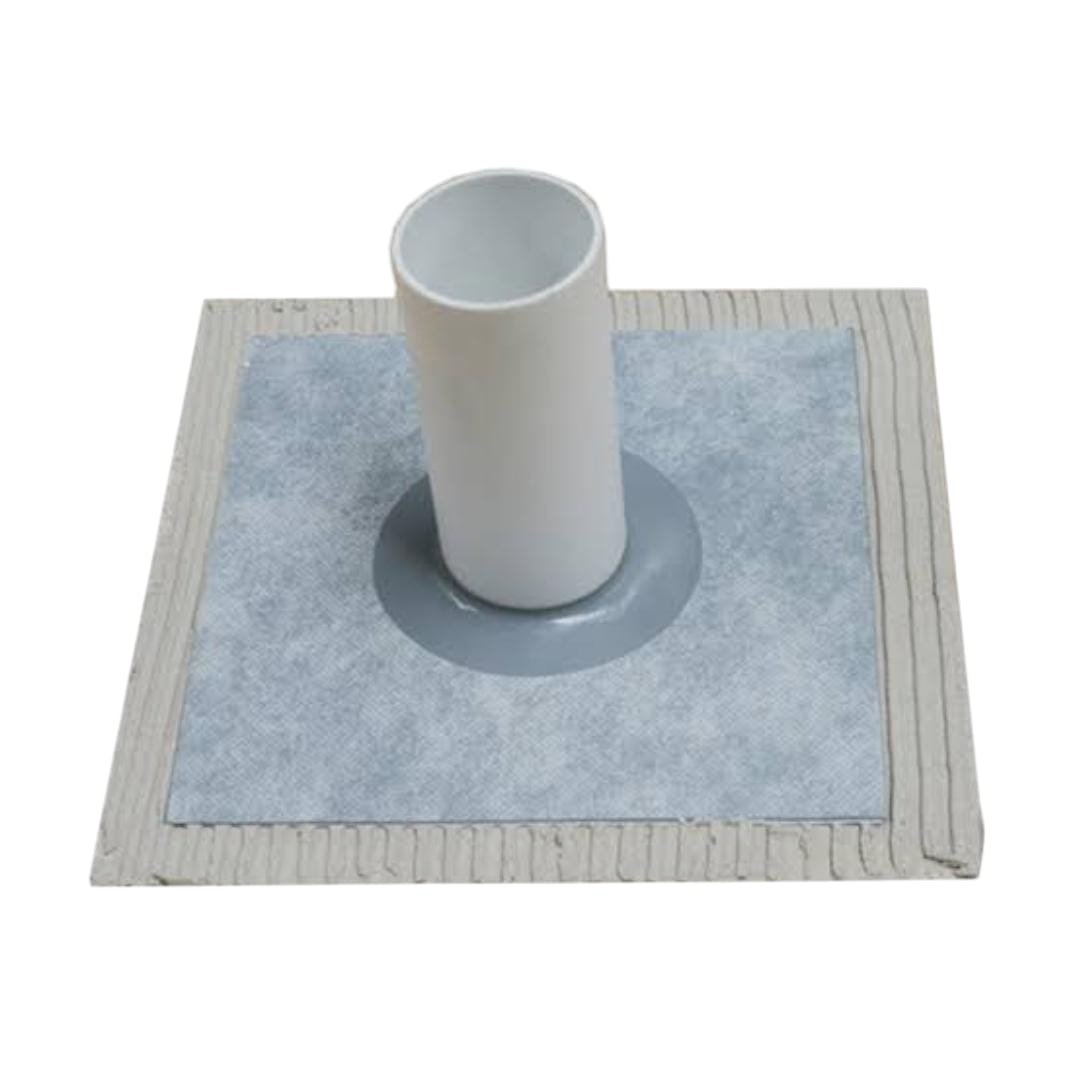
At SP Kondalwade Infrabond Solutions, we understand that the foundation of effective waterproofing begins with precision in every preparatory stage. Bore packing is one such crucial process that ensures long-term protection against leakage and structural deterioration — especially around plumbing and electrical penetrations through RCC members. What is Bore Packing? Bore packing is the process of sealing and fixing plumbing or electrical pipes that pass through RCC slabs, beams, or walls by filling the annular gap between the pipe and the concrete surface. This method prevents water ingress and ensures watertight integrity, particularly in toilet areas, wet zones, and service shafts. Purpose of Bore Packing To provide a leak-proof seal around plumbing and electrical penetrations. To prevent seepage, dampness, and waterproofing failures in toilets and wet areas. To ensure long-term durability and protection of RCC structures. Our Standard Procedure
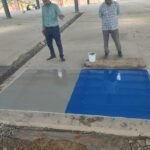
Epoxy flooring is used in homes, shops, offices, airports, malls, hospitals, pharmacies, and many more places. This flooring is slippery and easy to clean. Advantages of epoxy flooring: This flooring is durable, This flooring is slippery, This flooring is easy to clean, This flooring is aesthetic, This flooring is antibacterial. Types of epoxy flooring: Epoxy gravel flooring, Epoxy terrazzo flooring. Where is epoxy flooring used: industrial company area Homes Car showrooms Shops Offices Airports Malls Commercial shops Pharmacies Industrial settings
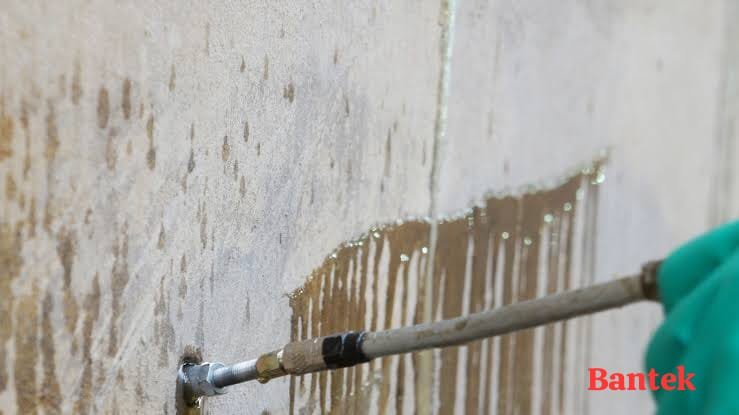
poxy injection grouting is used to fill cracks in materials such as concrete, stone, masonry, and steel. It is a cost-effective method of structural repair. It is used to repair bridges, tunnels, and foundations. Benefits of epoxy injection grouting: It restores concrete to its original state by filling cracks. It seals moisture and restores structural integrity. It resists stains and mold. It is durable and long-lasting. It is resistant to most chemicals, seawater, and petroleum products. How to use epoxy injection grouting: Identify and correct the root cause of the crack. Seal the crack. Prepare the injection port. Prepare the injection resin. Fill the injection resin into the injection port. Fill the crack by applying pressure.
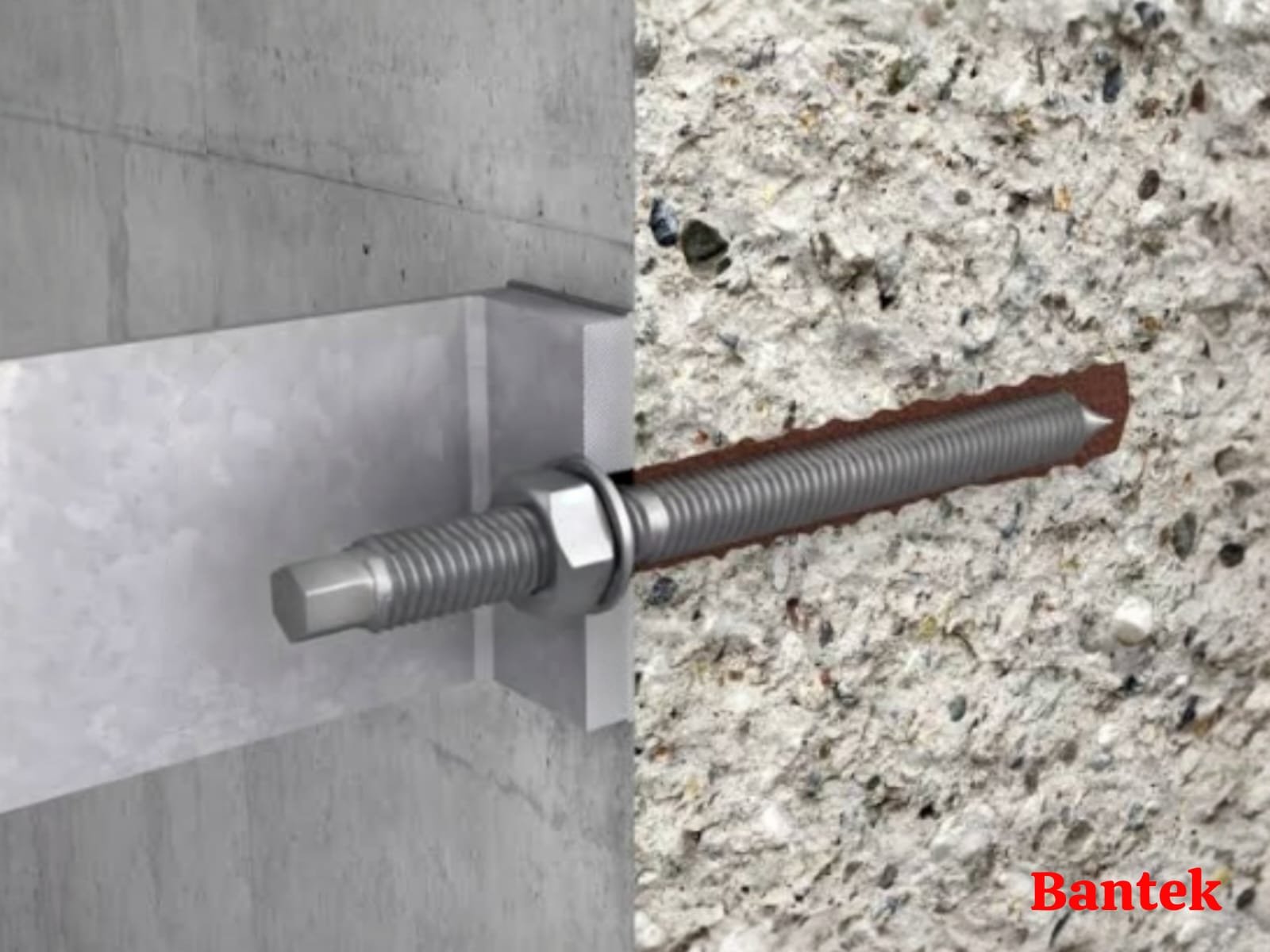
chemical anchor Bolt is used to add raw material to concrete. Associations can be made using a wide range of components: anchor screws (latches with additional floats), steel plates or stiffeners. Anchor bolts have different types of strength: tension strength and shear strength. By definition, an anchor bolt is a rock solid latch used to interface objects to concrete. Steel posts, for example, are mounted to regularly packed surfaces using anchor bolts. The anchor bolts go through the foundation of the shaft and automatically.
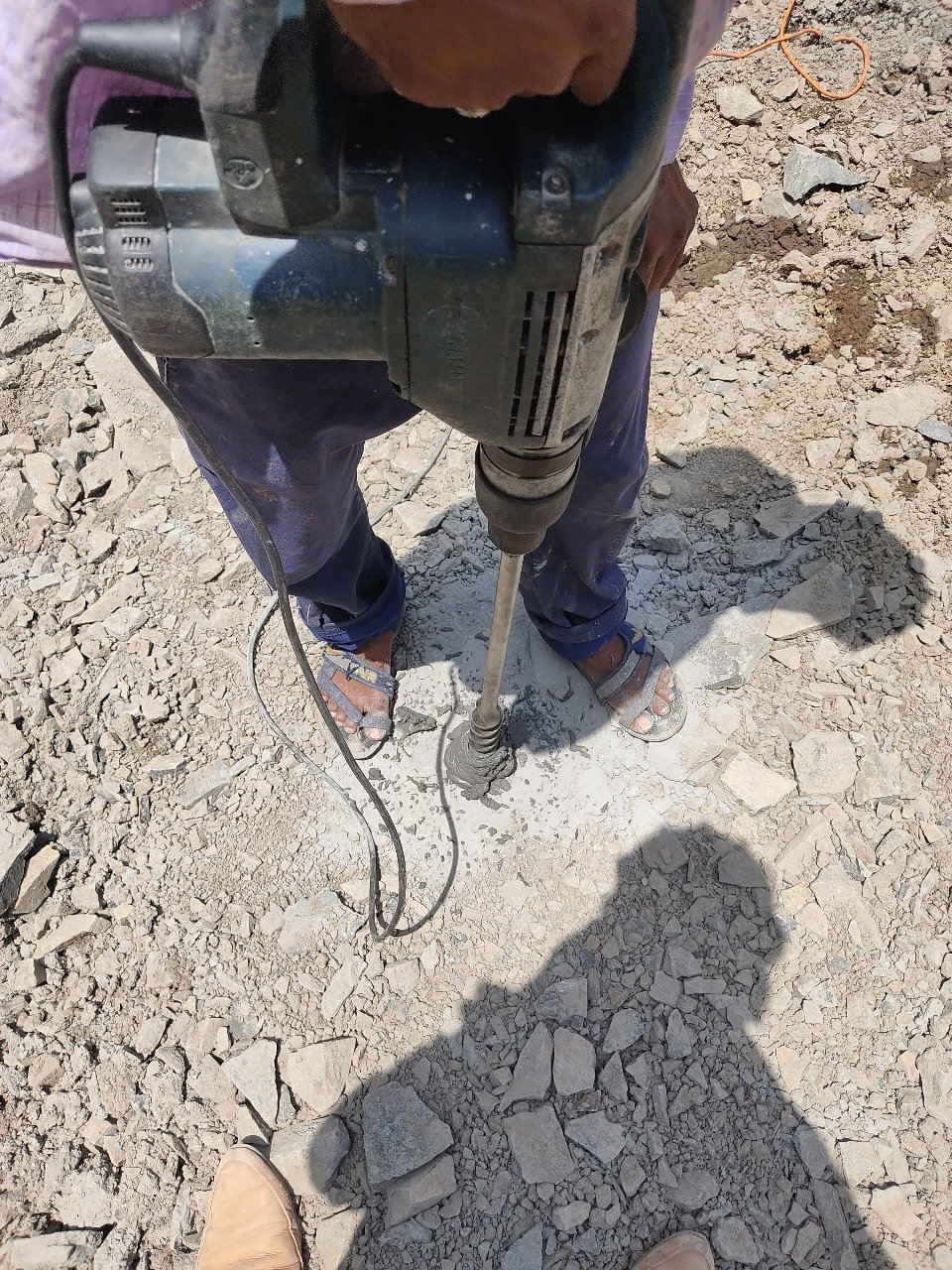
Rock Anchoring is a specialized technique used to stabilize rock masses, retaining structures, and deep excavations by inserting high-strength steel anchors or bars into pre-drilled holes in the rock surface. These anchors are then bonded using cementitious or epoxy-based grouts to provide firm and long-lasting support. At SP Kondalwade Infrabond Solutions, we offer precision-engineered rock anchoring solutions designed to resist uplift, lateral, and sliding forces, ensuring the stability and safety of foundations, slopes, and retaining walls. Our expert team utilizes advanced drilling equipment, quality materials, and tested anchoring systems to deliver durable and reliable results in challenging site conditions. SP Kondalwade Infrabond Solutions — Securing Foundations with Strength and Precision.
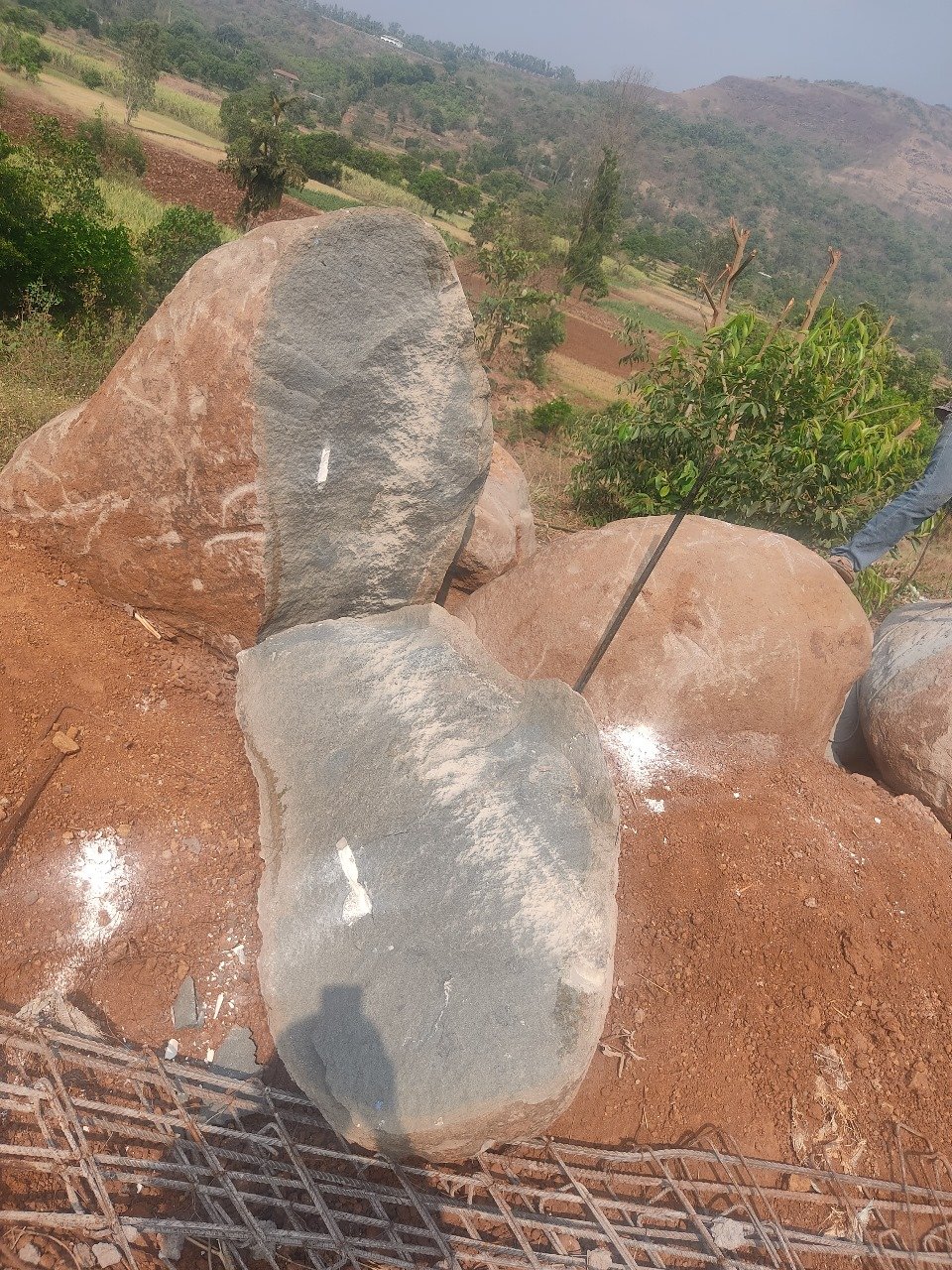
Chemical Demolition is a non-explosive, controlled method of breaking concrete and rock using specialized expansive demolition agents. This technique eliminates the need for blasting, ensuring safety, precision, and minimal vibration — ideal for work in densely populated or sensitive areas. At SP Kondalwade Infrabond Solutions, we use high-performance demolition chemicals that expand gradually after application, creating internal pressure to crack and disintegrate concrete or rock structures without damaging nearby elements. Our method is eco-friendly, silent, and highly effective for applications such as structural modification, foundation removal, and RCC dismantling in confined spaces. SP Kondalwade Infrabond Solutions — Smart, Safe, and Sustainable Demolition Solutions.
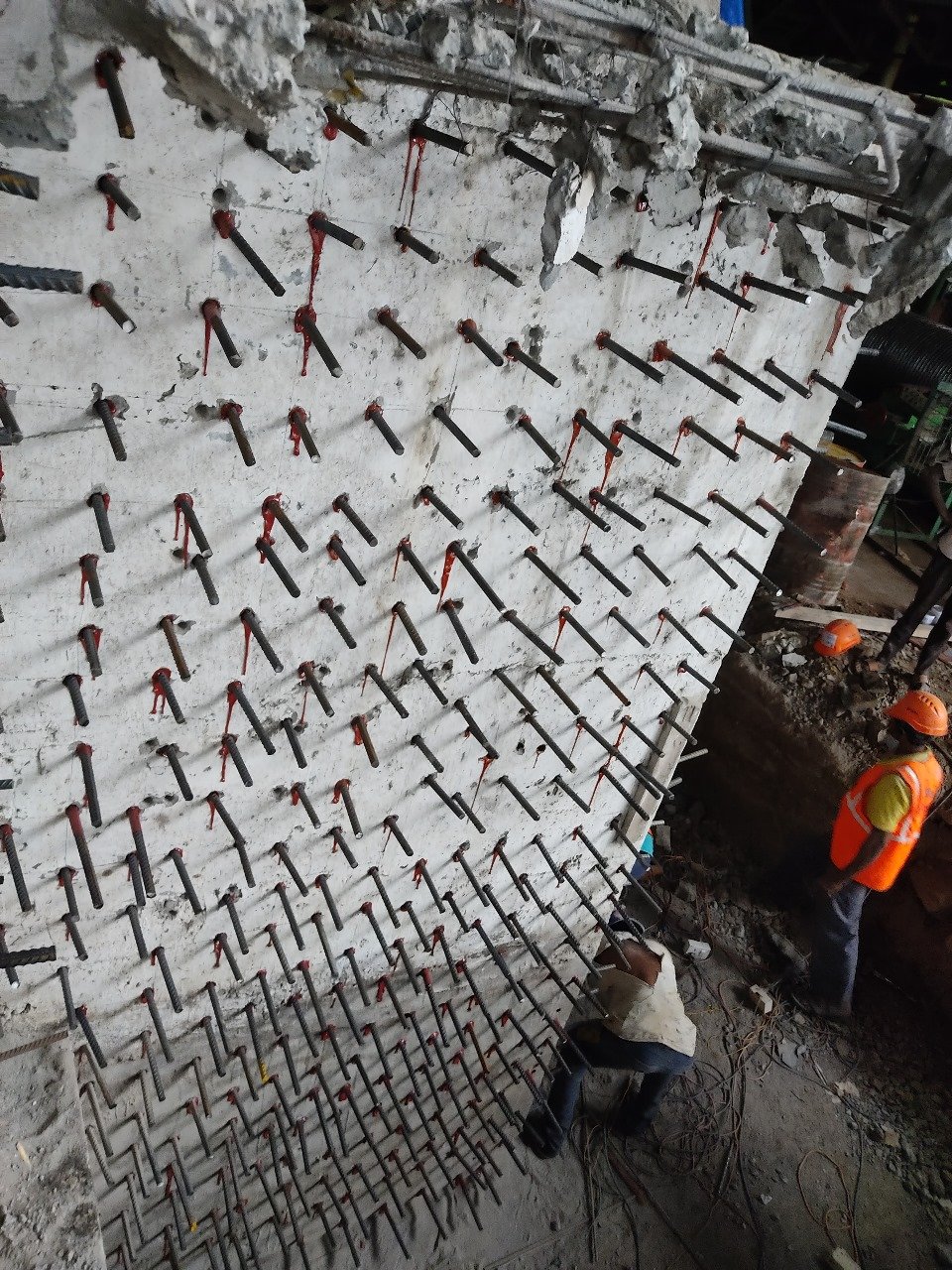
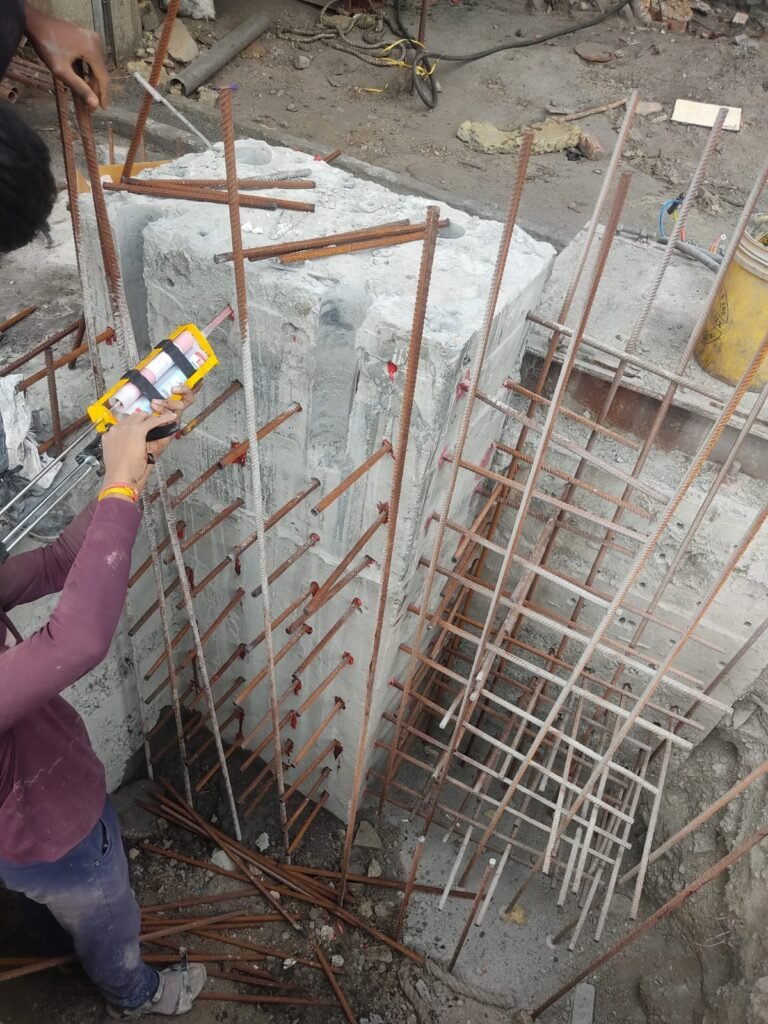
Rebaring is the process of extending or joining reinforcement bars (rebars) in existing concrete structures to accommodate structural modifications or additions. It plays a crucial role in maintaining structural integrity and load transfer between old and new concrete members. At SP Kondalwade Infrabond Solutions, we perform rebaring using approved drilling, anchoring, and bonding techniques with high-strength epoxy or chemical anchoring systems. Our skilled team ensures precise alignment, strong bonding, and compliance with structural design standards, making it ideal for beams, slabs, columns, and foundations. SP Kondalwade Infrabond Solutions — Connecting Strength with Precision.
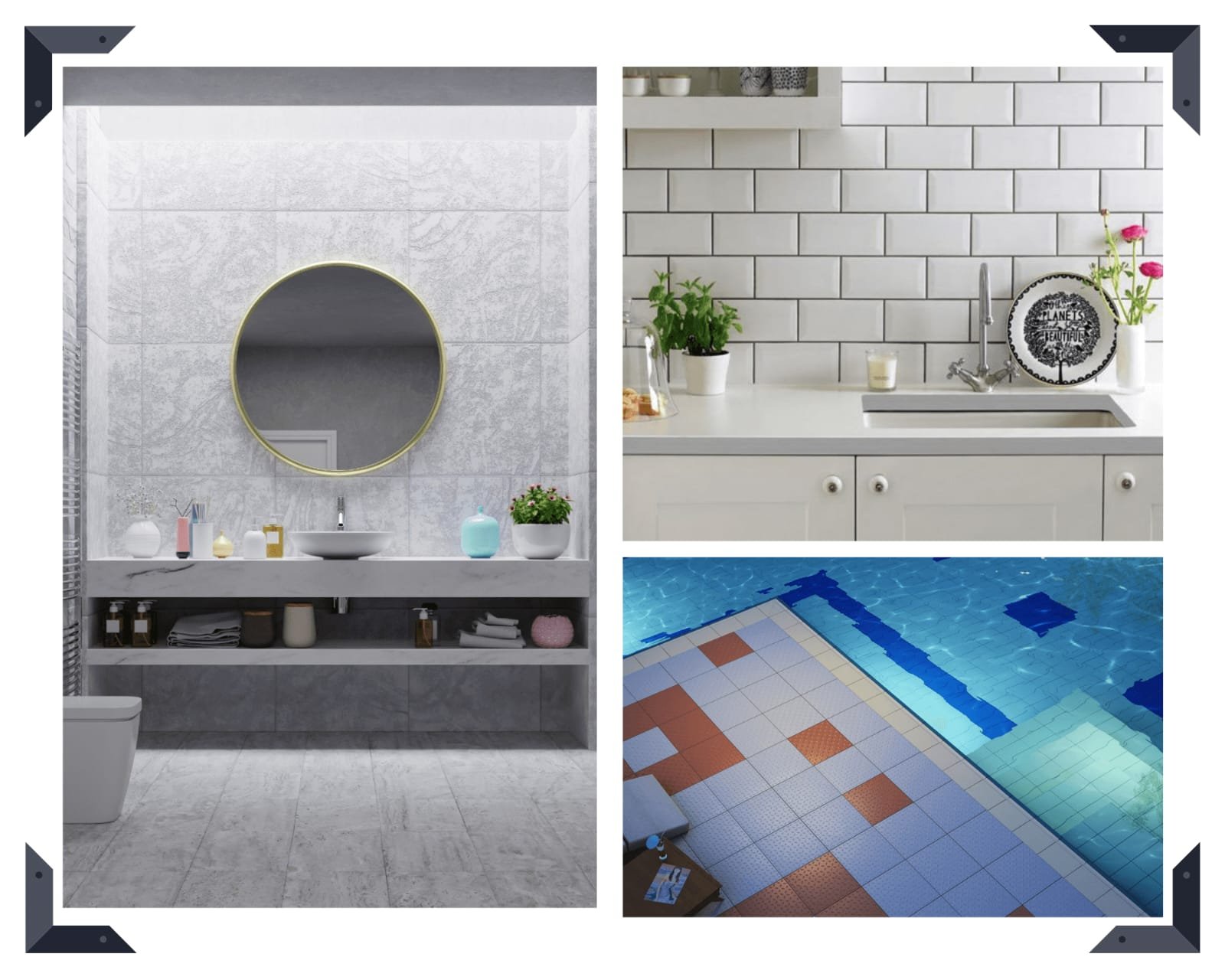
Epoxy Grout For Tile Joints | How To Apply In Bathroom, Kitchen & More! Epoxy grout is quickly becoming one of the most popular types of grout on the market due to its incredible durability , ability to resist mold, mildew, and other common bathroom issues. So, in this blog, we will explore what's the reason behind epoxy tile grout becoming so popular and what benefits it provides for homeowners and commercial buildings. We'll also look at the differences between epoxy grout and traditional grouts, as well as how to properly apply epoxy grout for tile joints. But, before that, let us get to know what exactly epoxy tile grout is and why is it used for tile joints. What Is Epoxy Grout? Why is it used for Tile Joints? Epoxy grout is a type of grout that is made from a mixture of epoxy resin and filler components. It's strong, durable, and water-resistant, making it the perfect choice for bathrooms and other areas with high humidity. Epoxy tile grout also has excellent elas
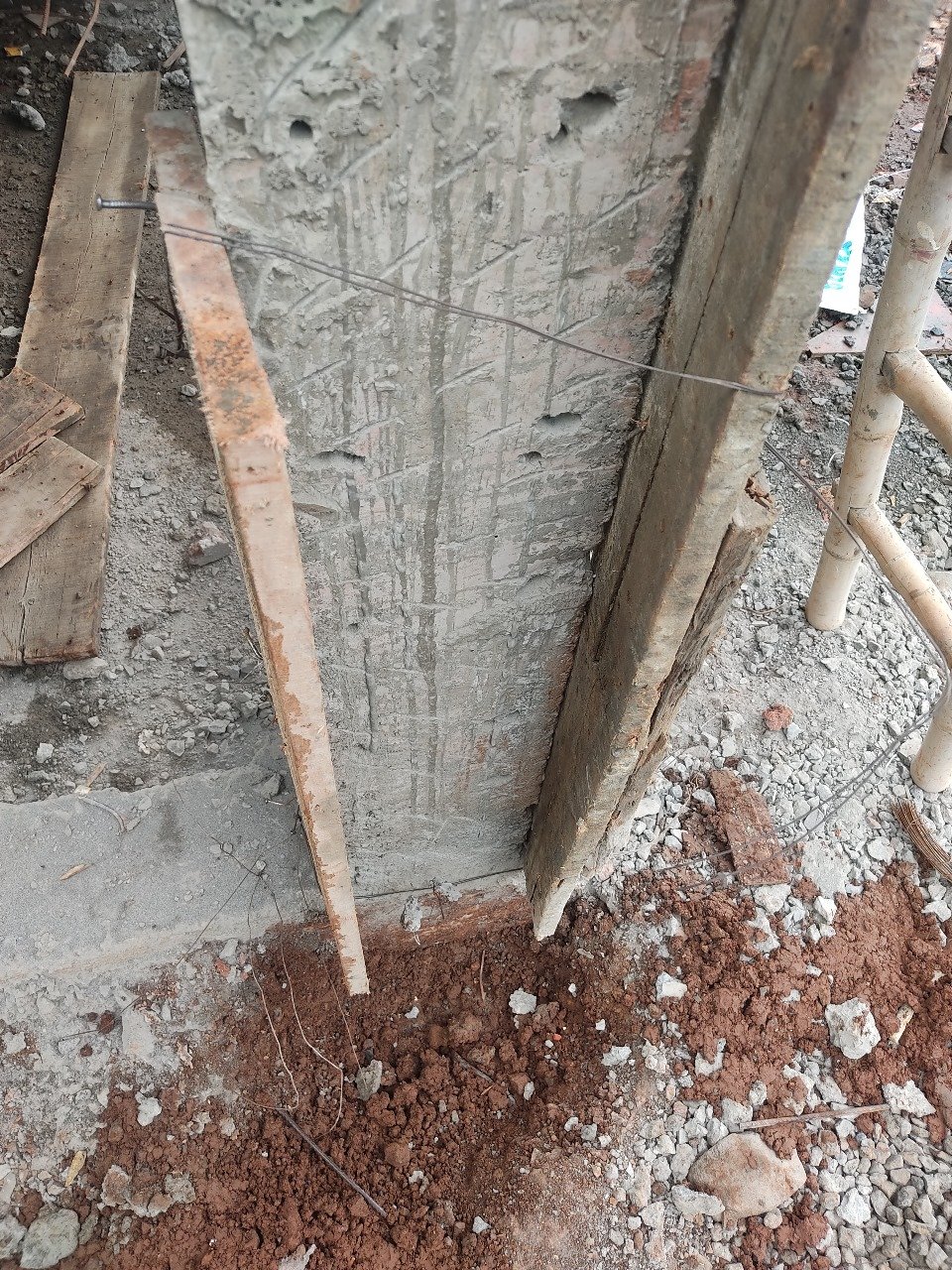
RCC Column Jacketing is a structural strengthening technique used to enhance the load-bearing capacity, ductility, and durability of existing concrete columns. At SP Kondalwade Infrabond Solutions, we perform column jacketing using high-quality cementitious or polymer-modified materials to restore and reinforce weak or damaged structural members. The process involves roughening the existing column surface, fixing reinforcement bars, applying bonding agents, and casting a new layer of concrete or micro-concrete around the old column. This ensures improved stability, resistance to seismic loads, and extended structural life. Applications: Strengthening aged or deteriorated structures Increasing load capacity for additional floors Repairing columns damaged by corrosion or cracks SP Kondalwade Infrabond Solutions — Enhancing Structural Integrity with Precision and Expertise.
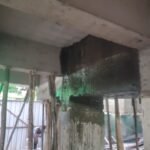
Chemical Column Strengthening is an advanced technique used to restore and enhance the structural capacity of RCC columns through the use of high-performance chemical materials such as epoxy resins, polymer-modified mortars, and bonding agents. At SP Kondalwade Infrabond Solutions, we use specialized injection and coating systems to fill cracks, improve bonding, and increase compressive strength — ensuring long-term durability, stability, and performance of the structure. SP Kondalwade Infrabond Solutions — Strengthening Structures, Securing the Future.
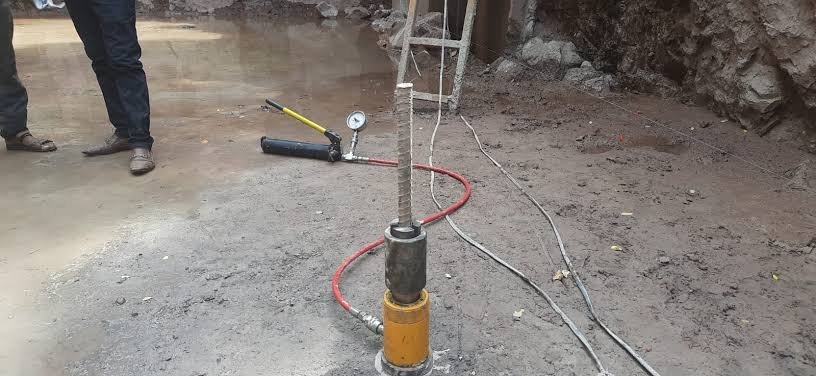
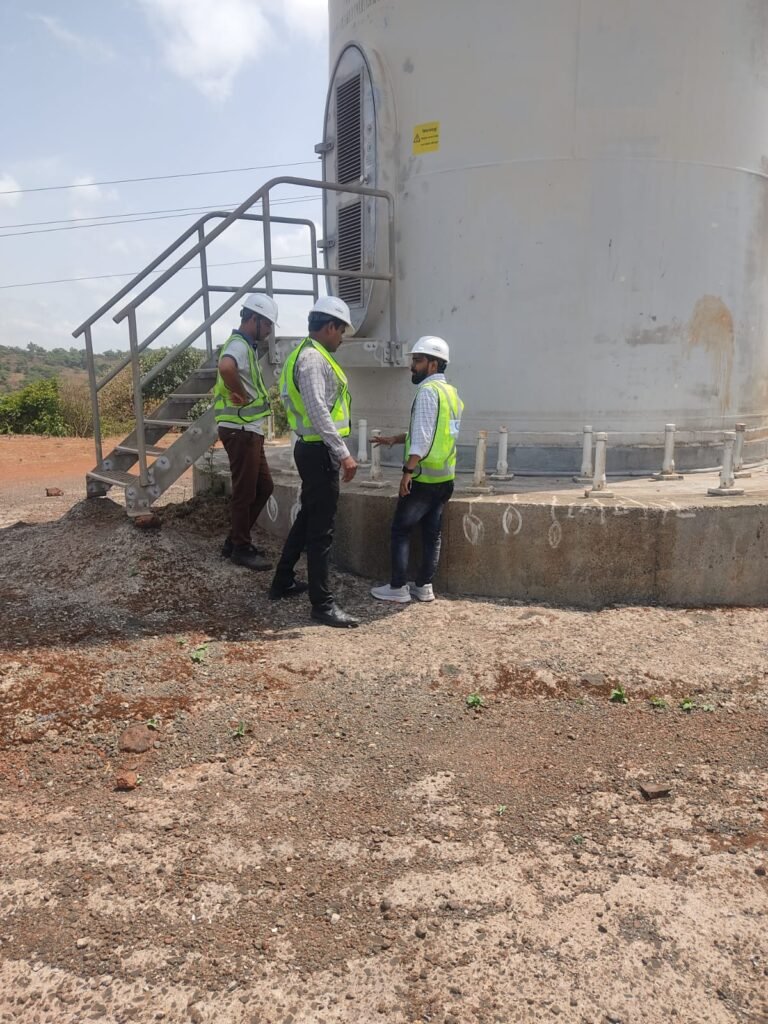
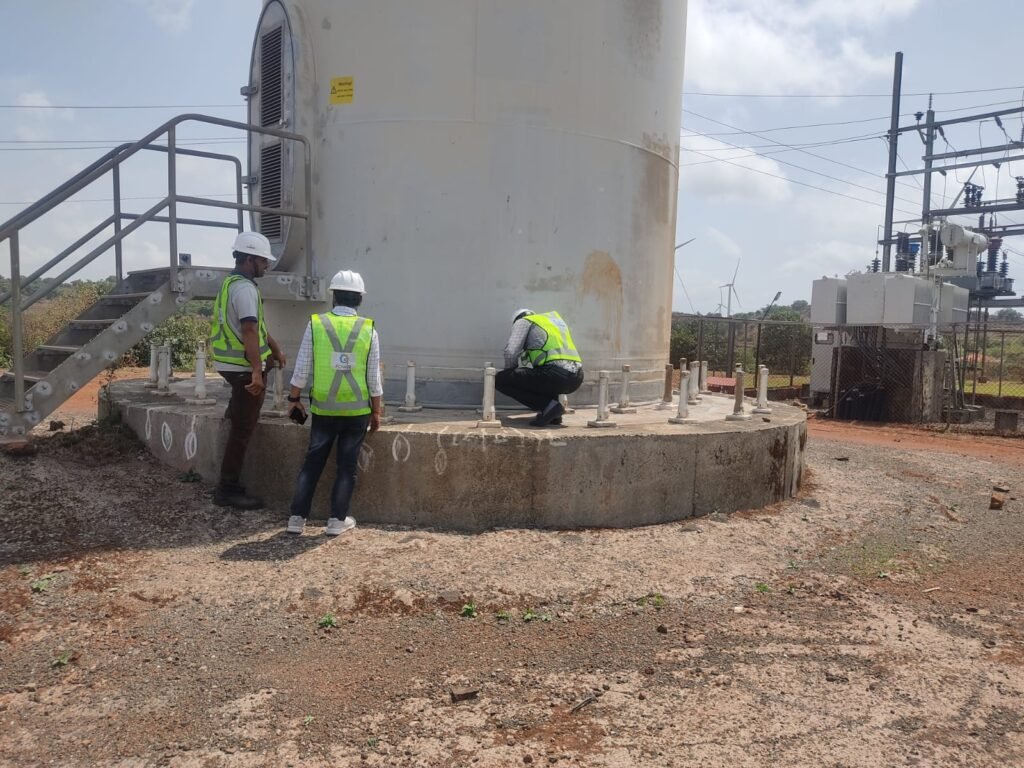
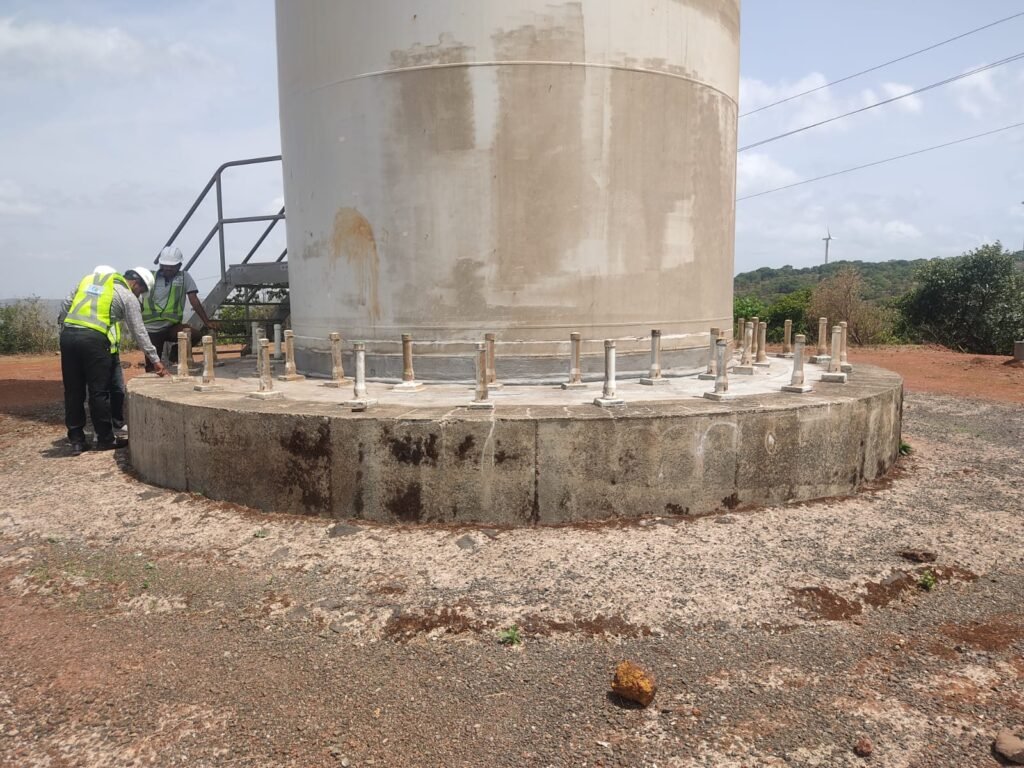
pull-out test using an Enerpac hydraulic hand pump and cylinder. Here's what you need to know about pull-out testing: Purpose: Pull-out tests are used to determine the strength of anchors, rebars, or other fasteners embedded in concrete or other base materials. This information is crucial for ensuring the structural integrity of buildings and other structures. Procedure:* The hydraulic pump is used to generate pressure, which is then transmitted to the cylinder. The cylinder, in turn, applies a pulling force to the anchor or rebar being tested. The force is gradually increased until failure occurs, and the maximum force sustained is recorded as the pull-out strength.
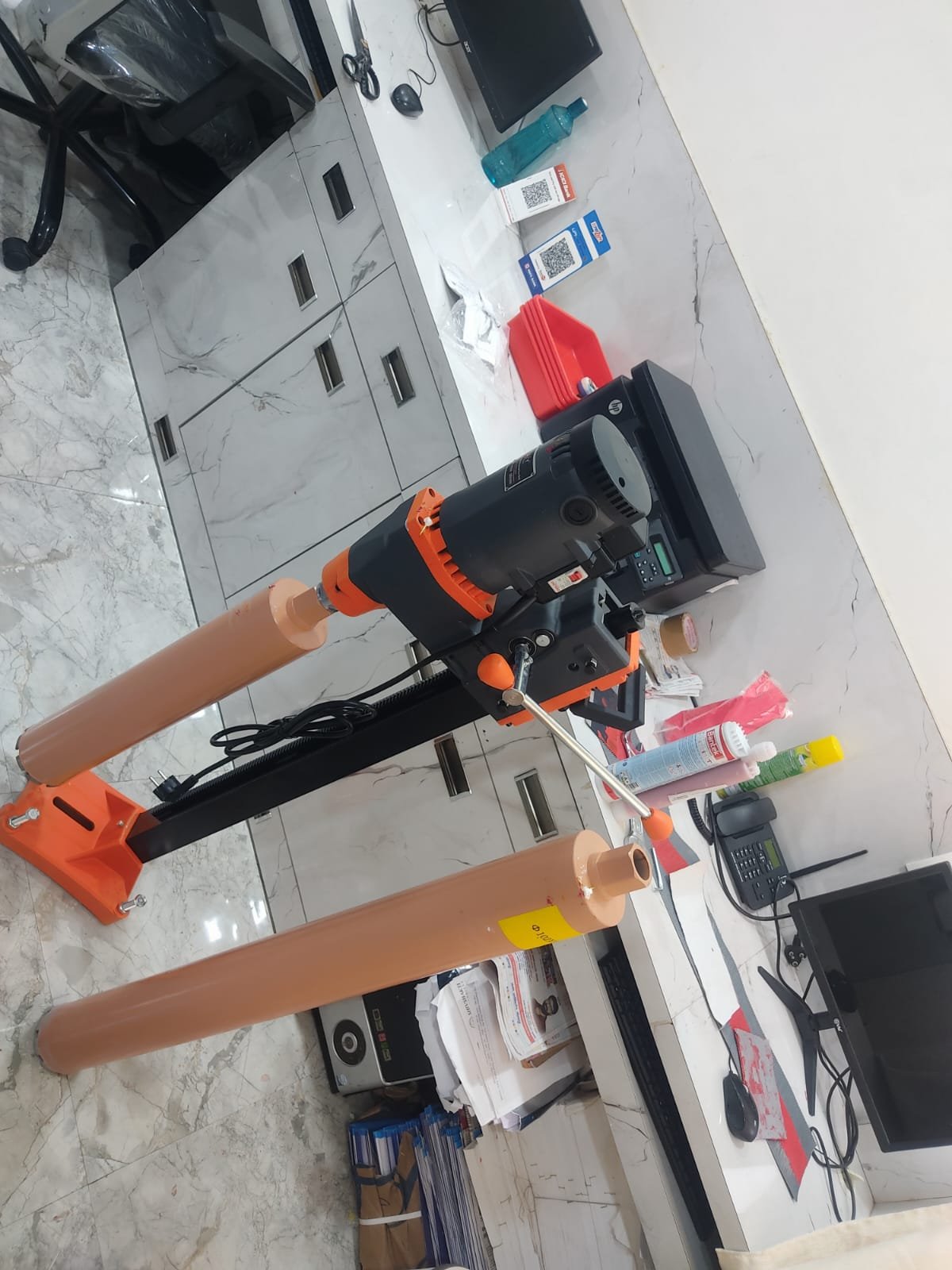
Core cutting in a building is usually done to make holes in concrete for utilities (e.g. plumbing, electrical wiring). Its main advantages are: Holes for utilities: Core cutting can create precise and neat holes in concrete, allowing for easy installation of plumbing, electrical wiring, or other utilities. Minimal disruption: Core cutting causes less disruption to the construction site, especially when working in public places such as schools, workplaces, or hospitals. Structural integrity: If done correctly, core cutting causes less damage to the structural integrity of concrete. Where is core cutting done? Plumbing and utilities installation: To make holes for plumbing and utilities (e.g. water, gas, electricity) in concrete walls and floors. AC installation: To make holes in the exterior wall to connect the indoor and outdoor units of a split air conditioner. Drilling and testing: